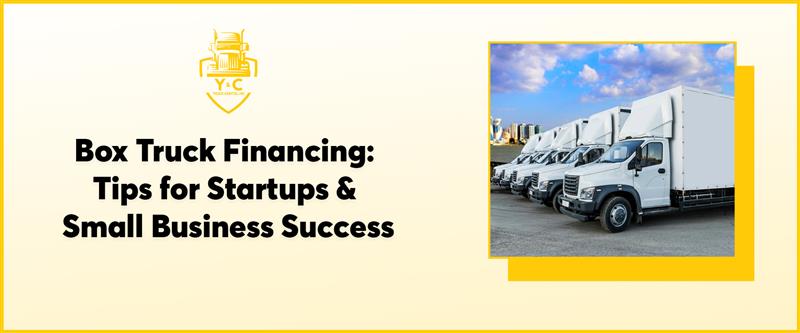
Finding the best truck financing deal is about more than choosing the lowest monthly payment. The right financing option should fit the truck you are buying, your business needs, your cash flow, and the overall cost of ownership.
Whether you are purchasing a new commercial truck, a used vehicle, a semi truck, or a truck and trailer combination, there are different financing options to consider. Understanding how these options work can help you compare offers and choose financing that makes sense for your business.
This guide explains the most common truck financing options, what lenders may consider, and how to compare financing before purchasing your next commercial truck.
What Is Truck Financing?
Truck financing allows a business or qualified buyer to purchase a commercial truck while paying for the equipment over time rather than covering the entire purchase price upfront.
Depending on the financing program, truck financing may be used for equipment such as:
- Semi trucks and tractors
- Sleeper trucks
- Day cabs
- Box trucks
- Dump trucks
- Commercial trailers
- Other business-use vehicles
The financing amount, down payment, repayment period, and other terms can vary based on the equipment, applicant, lender, and financing program.
For many businesses, financing can also help preserve working capital for expenses such as fuel, insurance, maintenance, payroll, and other operating costs.
What Are the Best Truck Financing Options?
The best option depends on the type of truck you are purchasing and how you plan to use it.
Common truck financing options include:
| Financing option | May be suitable for |
|---|---|
| New truck financing | Businesses purchasing newer commercial trucks |
| Used truck financing | Buyers looking for a lower purchase price |
| Commercial truck financing | Businesses purchasing trucks for commercial use |
| Semi-truck financing | Owner-operators and trucking companies |
| Truck and trailer financing | Buyers purchasing a tractor and trailer together |
| Equipment financing | Businesses financing eligible commercial equipment |
There is no single financing option that is best for every buyer. Comparing the total financing cost, payment structure, equipment value, and business needs is more important than simply choosing the lowest advertised payment.
New Truck Financing
New truck financing can be an option for businesses purchasing a new or newer commercial vehicle.
A new truck typically comes with a higher purchase price than an older used truck, but it may provide updated technology, safety features, and equipment specifications. Depending on the business, a newer truck may also offer predictable operating and maintenance costs during the early years of ownership.
Before financing a new truck, consider:
- Purchase price
- Down payment
- Monthly payment
- Financing term
- Expected annual mileage
- Intended use
- Insurance and operating costs
- Expected ownership period
A new truck can be a significant investment, so the financing should be evaluated alongside the truck’s expected contribution to the business.
Used Truck Financing
Used truck financing can help businesses acquire commercial equipment at a lower purchase price than buying comparable new equipment.
However, the purchase price is only one part of the decision. When considering a used truck, pay attention to the vehicle’s age, mileage, condition, maintenance history, and expected repair costs.
Important factors to review include:
- Truck age
- Mileage
- Mechanical condition
- Maintenance records
- Vehicle history
- Purchase price
- Equipment specifications
- Expected maintenance requirements
A well-maintained used truck can be a practical investment, but buyers should understand the condition of the equipment before committing to financing.
Commercial Truck Financing
Commercial truck financing is designed for trucks used for business purposes. Depending on the financing program, it may be available for several types of commercial vehicles.
Businesses may use commercial truck financing to purchase equipment such as:
- Semi trucks
- Box trucks
- Dump trucks
- Day cabs
- Other commercial vehicles
The financing process can vary depending on the truck, purchase price, business circumstances, and applicant qualifications.
If you are specifically looking for a commercial truck loan, you can learn more about your options on YC Truck Capital’s commercial truck loans page.
Semi-Truck Financing
Semi-truck financing is designed for buyers purchasing tractors used in commercial trucking operations.
Depending on the financing program, buyers may be able to finance different types of semi trucks, including:
- Sleeper trucks
- Day cabs
- New semi trucks
- Used semi trucks
- Trucks for owner-operators
- Equipment for established trucking companies
The truck’s age, purchase price, condition, intended use, and other factors may affect available financing options.
If your primary goal is to finance a tractor or semi truck, visit YC Truck Capital’s semi-truck financing page for more information.
Truck and Trailer Financing
Some trucking businesses need to acquire both a tractor and a trailer at the same time.
Depending on the financing structure, a truck and trailer combination may include:
- Semi truck and dry van
- Semi truck and refrigerated trailer
- Semi truck and flatbed
- Tractor and specialty trailer
Financing both pieces of equipment may allow a business to acquire the equipment needed to begin or expand operations without paying the full purchase price upfront.
If you need both a tractor and trailer, see YC Truck Capital’s semi truck and trailer financing options.
What Makes a Truck Financing Deal a Good Deal?
The lowest monthly payment is not necessarily the best financing deal.
A financing offer should be evaluated based on the overall terms and how they fit your business.
Consider the following:
Interest and Financing Costs
Look at the overall cost of financing rather than focusing only on the monthly payment.
Repayment Term
A longer repayment period may reduce the monthly payment, but it can also affect the total amount paid over the life of the financing.
Down Payment
A down payment can reduce the amount financed. However, using too much cash upfront may reduce the working capital available for your business.
Truck Value
Consider whether the truck’s purchase price is reasonable for its age, condition, specifications, and expected useful life.
Monthly Cash Flow
Your financing payment should fit realistically within your business’s cash flow after accounting for operating expenses.
Equipment Needs
The cheapest truck is not necessarily the most economical choice if it cannot reliably perform the work your business requires.
The best truck financing deal is generally the one that balances financing costs, equipment value, payment affordability, and the long-term needs of the business.
What Factors Can Affect Truck Financing Terms?
Financing terms can vary from one applicant and transaction to another. Lenders may consider several factors when reviewing a truck financing application.
Truck Purchase Price
The amount being financed is an important part of the transaction. A higher purchase price generally means a larger financing amount.
Truck Age and Condition
Newer and older equipment can have different financing considerations. The age and condition of a used truck may be particularly important.
Credit Profile
Credit history can be one factor considered during the application process. Financing decisions may also take other aspects of the application into account.
Business History
The length of time a business has been operating may be considered when evaluating a financing application.
Business Cash Flow
A lender may review available financial information to determine whether the proposed financing is appropriate for the business.
Down Payment
The amount of money being put toward the purchase can affect the amount that needs to be financed.
Type of Truck
Different types of commercial equipment can have different financing requirements and considerations.
How to Compare Truck Financing Options
Before accepting an offer, compare financing options based on the complete transaction rather than one number.
1. Compare the Total Amount Financed
Understand how much you will actually be financing after accounting for your down payment and applicable costs.
2. Compare the Payment
Make sure the expected payment is realistic for your business’s cash flow.
3. Review the Financing Term
Understand how long you will be making payments and how the term affects the overall cost.
4. Consider the Truck’s Expected Life
The financing period should make sense in relation to how long you expect to operate the equipment.
5. Evaluate the Equipment
A financing offer only makes sense if the truck itself is suitable for your business.
6. Understand the Terms
Before signing, review the financing agreement carefully and make sure you understand the applicable terms and obligations.
What Do You Need to Apply for Truck Financing?
The exact requirements can vary depending on the lender and financing program.
Applicants may be asked to provide information such as:
- Business information
- Truck information
- Purchase price
- Seller or dealer information
- Identification
- Financial information
- Down payment information
- Existing financing information, if applicable
Having the truck and purchase information available before applying can help make the process more efficient.
How Does Truck Financing Work?
Although the process can vary, truck financing generally follows several steps.
Step 1: Determine Your Equipment Needs
Identify the type of truck you need, how you will use it, and the price range that makes sense for your business.
Step 2: Find the Truck
Compare trucks based on price, condition, specifications, mileage, and expected operating costs.
Step 3: Explore Financing Options
Review financing options based on the purchase price, down payment, payment amount, financing term, and overall cost.
Step 4: Submit an Application
Provide the information required for the financing review.
Step 5: Review the Financing Terms
Before accepting an offer, make sure you understand the payment, term, and other applicable financing conditions.
Step 6: Complete the Purchase
Once the financing and required documentation are completed, the purchase can proceed according to the lender’s process.
Is It Better to Finance a New or Used Truck?
Neither is automatically better. The right choice depends on your business and the equipment you need.
A new truck may provide newer equipment, updated features, and potentially fewer immediate maintenance concerns. However, it generally costs more upfront.
A used truck may have a lower purchase price, which can reduce the initial investment. At the same time, buyers need to consider the truck’s age, mileage, condition, and potential maintenance expenses.
The best choice is usually the truck that provides the right combination of reliability, purchase price, operating costs, and usefulness for your business.
How Much Should You Put Down on a Truck?
There is no universal down payment amount for every truck purchase.
The amount, if any, can depend on factors such as:
- Truck purchase price
- Equipment age
- Financing program
- Applicant qualifications
- Credit profile
- Business history
- Lender requirements
A larger down payment can reduce the amount financed, but it can also reduce the cash available for business operations.
Before deciding how much to put down, consider both the financing payment and the working capital your business needs after the purchase.
Can You Finance a Used Commercial Truck?
Yes. Used commercial trucks may be eligible for financing depending on the truck, financing program, and applicant.
The truck’s age, mileage, condition, purchase price, and other factors may be considered when determining available financing options.
If you are considering a used commercial truck, gather the equipment details and purchase information before applying.
Frequently Asked Questions About Truck Financing
What is the best truck financing option?
The best truck financing option depends on the type of truck, purchase price, equipment age and condition, business needs, and applicant qualifications. Comparing the overall financing cost and payment structure can help you determine which option fits your situation.
Can I finance a new or used commercial truck?
Yes. Financing may be available for both new and used commercial trucks. Available terms and requirements can vary depending on the equipment and financing program.
Can I finance a semi truck?
Yes. Semi trucks can be financed through commercial truck and equipment financing programs. The available options can depend on the truck, purchase price, applicant, and financing requirements.
Does truck financing always require a down payment?
Not necessarily. Down payment requirements vary by financing program, equipment, and applicant. Any applicable requirement should be confirmed before accepting financing.
What factors affect truck financing?
Factors may include the truck’s purchase price, age and condition, credit profile, business history, cash flow, down payment, and type of equipment.
How can I find the best truck financing deal?
Compare more than the monthly payment. Review the financing amount, repayment term, total financing cost, down payment, equipment value, and how the payment fits your business’s cash flow.
Choose Truck Financing That Fits Your Business
The best truck financing deal is not necessarily the one with the lowest advertised payment. It is the financing arrangement that makes sense for the equipment you need and your business’s financial position.
Whether you are purchasing a new truck, used commercial truck, semi truck, or truck-and-trailer combination, take time to compare the equipment and financing terms before making a decision.
YC Truck Capital helps businesses and truck buyers explore financing options for commercial trucks and equipment.
Ready to explore your options? Start your truck financing application and take the next step toward financing your next commercial truck.